Oxidative stress, in brief
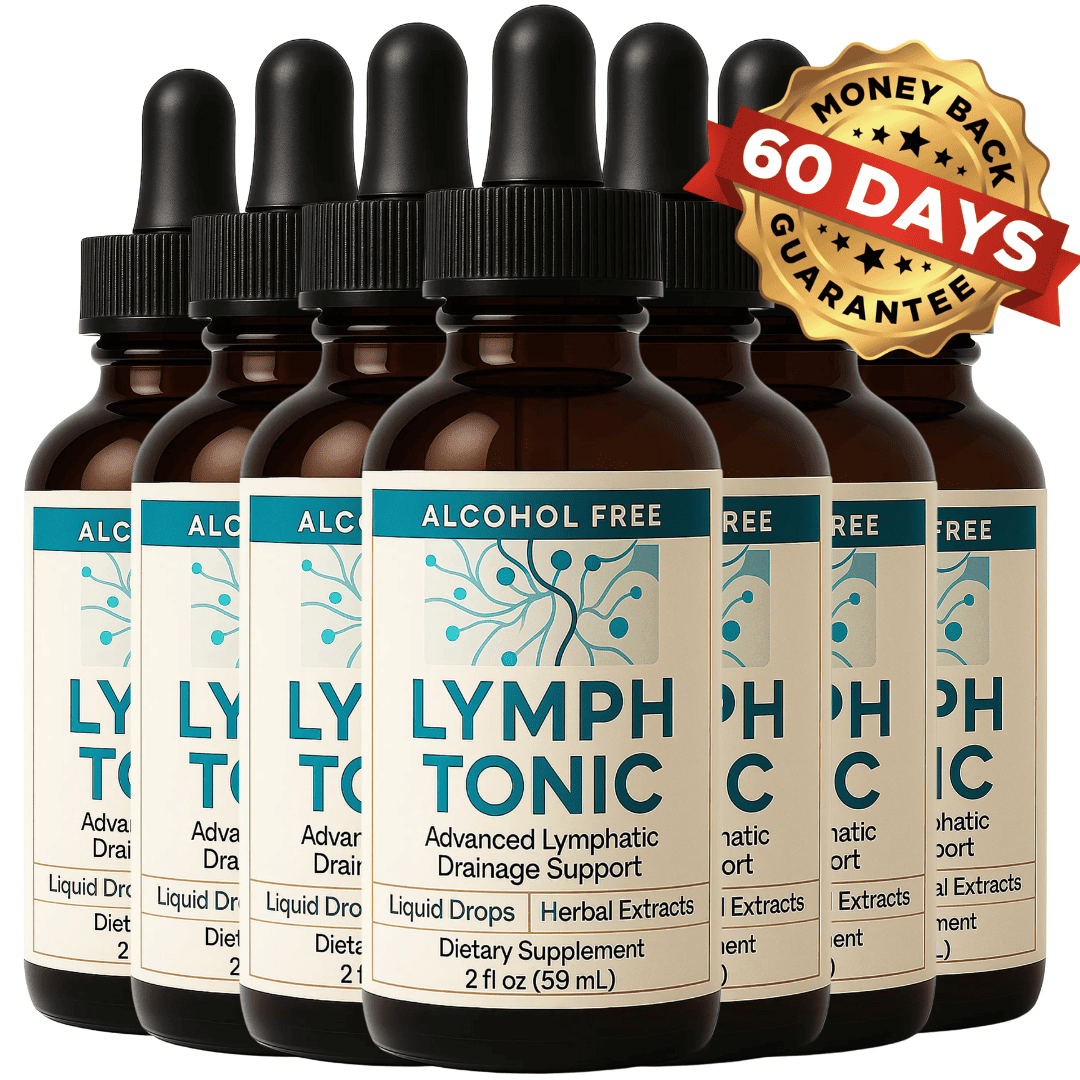
Normal metabolism, exercise, sunlight and pollution all produce reactive molecules called free radicals. Antioxidants help neutralize them. A balanced diet supplies most of what you need. Lymph Tonic adds a small antioxidant group to its blend.
The antioxidant and cell-support ingredients
D-alpha tocopherol (vitamin E)
The natural form of vitamin E. It is fat-soluble and protects the lipids in cell membranes.
Baicalein
A flavonoid from Chinese skullcap root, with long use in traditional Chinese herbal formulas.
Quercetin phytosome
Quercetin is a flavonoid found in onions, apples and capers. The phytosome form binds it to phospholipids, which research suggests improves absorption.
Omega-3 fatty acids
Essential fats your body cannot make. They are built into cell membranes and widely used for cardiovascular wellness.
The delivery helpers
Phosphatidylcholine is a phospholipid that helps carry fat-soluble nutrients. Black pepper extract supports the absorption of curcumin. Neither is an active ingredient in its own right. Their job is to help the others work.
Food comes first: colorful vegetables, fruit, nuts and oily fish supply far more antioxidants than any supplement. Lymph Tonic is designed to complement that diet, not replace it.
For every ingredient in one place, read Lymph Tonic ingredients explained.
Quick answers
Does Lymph Tonic contain vitamin E?
Yes. D-alpha tocopherol, the natural form of vitamin E, is part of the 600 mg blend.
Is the omega-3 from fish?
The label lists omega-3 fatty acids without naming the source. If this matters to you, ask the seller at support@lymphtonic.com.